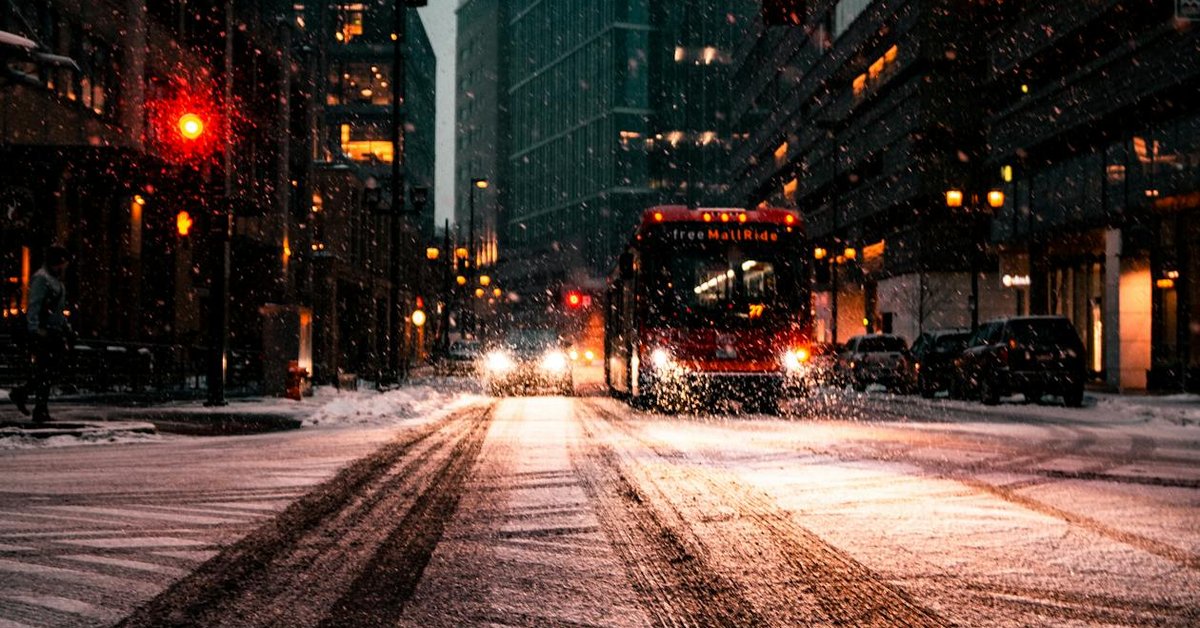
A massive winter storm has killed at least 30 people across the United States as freezing temperatures, heavy snowfall, and dangerous ice continue to grip roughly two-thirds of the country on Monday, January 27. The storm, one of the most severe in recent years, has left more than half a million homes and businesses without electricity and caused unprecedented flight disruptions.
The death toll spans multiple states, with New York City alone reporting eight people found dead outdoors during the freezing weekend. Tennessee recorded four fatalities, Louisiana three, and Mississippi two. Additional deaths were reported in Pennsylvania, Texas, Arkansas, Kansas, Ohio, Massachusetts, and South Carolina, with causes ranging from hypothermia to snowplow accidents and sledding incidents that killed teenagers in Arkansas and Texas.
Power outages remain widespread across the South, with more than 543,000 customers still without electricity as of early Tuesday. Tennessee was the hardest hit with over 182,000 customers in the dark, followed by Mississippi with 140,000, Louisiana with 100,000, and Texas with over 30,000. Mississippi is experiencing its worst ice storm since 1994, and Nashville Electric Service announced plans to double its workforce to address the crisis. Ice-laden trees and downed power lines have made restoration efforts extremely difficult.
The storm has caused catastrophic disruptions to air travel. More than 20,000 flights have been canceled since Friday, with Sunday alone seeing over 11,000 cancellations, a 45 percent cancellation rate that marked the highest single-day total since the COVID-19 pandemic. Major hubs in Dallas, Boston, and New York City were severely affected, stranding thousands of travelers. An additional 5,100 flights were canceled on Monday.
Pittsburgh recorded up to 50 centimeters of snow with wind chills plunging to minus 31 degrees Celsius, while New York experienced its snowiest day in years with some areas receiving 38 centimeters. President Donald Trump approved 12 federal emergency disaster declarations, freeing up FEMA resources for states including Arkansas, Georgia, Indiana, Kentucky, Louisiana, Maryland, Mississippi, North Carolina, South Carolina, Tennessee, Virginia, and West Virginia.
Authorities across affected regions have been distributing cots, blankets, bottled water, and generators to communities without power. Emergency shelters have opened in multiple states as officials warn that the cold wave shows no signs of easing. A new surge of Arctic air is expected to prolong freezing conditions in areas already blanketed in snow and ice.
Forecasters warned that another winter storm could impact parts of the East Coast this coming weekend, raising concerns about compounding damage and further strain on already overwhelmed utility crews and emergency services. The Senate postponed its return from Monday to Tuesday due to the storm, and the federal government closed its offices on Monday.
Comments