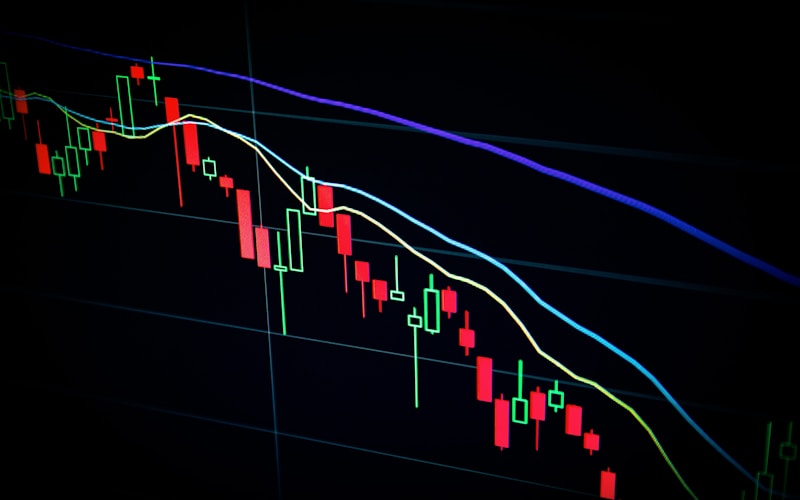
Gold prices have surged to unprecedented levels as 2026 begins, with the precious metal trading above $4,300 per ounce and extending a historic rally that saw prices climb more than 65 percent throughout 2025. The remarkable performance marks gold's strongest annual gain since 1979, driven by a perfect storm of economic anxiety, geopolitical uncertainty, and shifting monetary policy expectations.
As of January 2, 2026, spot gold was trading in a volatile range between $4,368 and $4,393 per ounce, reflecting the historic realignment of the global financial order. The rally has been fueled by sweeping global tariffs implemented by the United States, expectations of continued lower borrowing costs, persistent geopolitical tensions, sustained central bank buying, and renewed inflows into gold-backed exchange-traded funds.
Silver has posted even more spectacular gains, surging nearly 150 percent in 2025 to reach $74.47 per ounce. The white metal's designation as a critical U.S. mineral, combined with supply shortages and low inventories amid strong industrial and investment demand, has propelled prices to levels not seen in decades. Platinum has also joined the rally, gaining 127 percent last year to trade above $2,139 per ounce.
Major financial institutions are forecasting continued strength in precious metals throughout 2026. J.P. Morgan Global Research projects gold prices to average $5,055 per ounce by the final quarter of 2026, potentially rising toward $5,400 by the end of 2027. Goldman Sachs has revised its forecast upward, now expecting gold to reach approximately $4,900 per ounce by year-end, while Bank of America has set a $5,000 target.
The driving force behind the rally extends beyond traditional safe-haven demand. Analysts point to a concept known as "fiscal dominance" — the idea that the U.S. government's interest payments on its $35 trillion-plus national debt have grown so substantial that the Federal Reserve is effectively constrained to maintain interest rates below inflation to prevent a potential sovereign default scenario.
Central bank purchases have emerged as a critical factor supporting gold prices. Nations seeking to diversify their reserves away from the U.S. dollar have been accumulating gold at a record pace, with China, Russia, and several emerging market economies leading the charge. This institutional buying has provided a steady floor under prices even during periods of market volatility.
The Federal Reserve's pivot toward monetary easing has further bolstered the precious metals complex. Multiple interest rate cuts delivered throughout 2025, combined with market expectations for additional easing in 2026, have reduced the opportunity cost of holding non-yielding assets like gold and silver. Lower rates typically benefit precious metals by diminishing the attractiveness of interest-bearing alternatives.
Geopolitical tensions continue to provide support for safe-haven assets. Ongoing conflicts in Ukraine and the Middle East, combined with trade disputes between major economic powers, have kept investors on edge and seeking protection in traditional stores of value. The uncertainty surrounding global trade policy has added another layer of complexity to investment decisions.
Comments