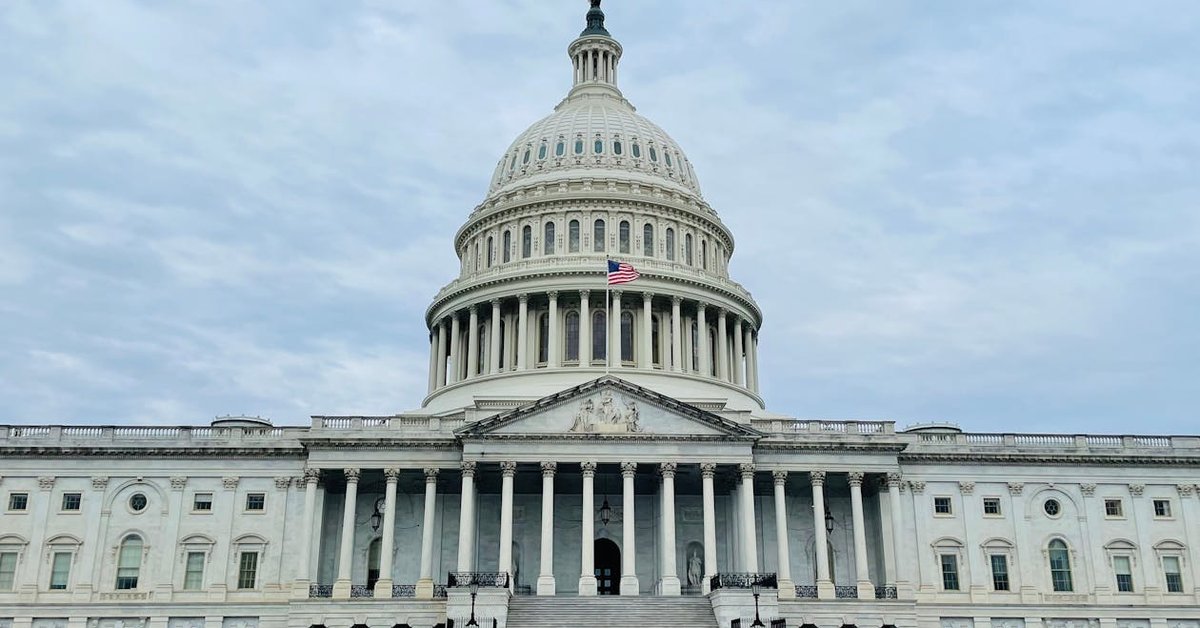
The U.S. House of Representatives passed legislation Thursday to restore enhanced Affordable Care Act subsidies that expired at the end of 2025, with 17 Republicans breaking ranks to join Democrats in a 230-196 vote. The measure, which would extend the health insurance tax credits for three years, came over the objections of House Speaker Mike Johnson, marking a rare rebuke of Republican leadership driven by concerns over spiking health care costs.
The enhanced ACA subsidies, first enacted during the COVID-19 pandemic and extended through the Inflation Reduction Act, had helped reduce premiums for approximately 22 million Americans who purchase coverage through marketplace plans. Their expiration on December 31 has resulted in premium increases averaging 114 percent for subsidized enrollees, according to the Kaiser Family Foundation, with some consumers seeing their monthly payments jump from under $100 to over $700.
The vote was forced through a rare procedural maneuver known as a discharge petition, signed by four swing-district Republicans from Pennsylvania and New York who joined with Democrats to bypass leadership opposition. Representative Brian Fitzpatrick, one of the petition signers, warned that excluding the issue from consideration would be unacceptable, stating it would be unfathomable if legislation coming from the Senate was not given a floor vote.
The Congressional Budget Office estimated Thursday that the three-year extension would increase the federal deficit by $80.6 billion over a decade while providing coverage to an additional four million people by 2028. Representative Jason Smith, chairman of the House Ways and Means Committee, argued against the measure, noting that only seven percent of the population relies on marketplace plans and calling for reforms that help all Americans.
While the House vote represents a significant victory for subsidy supporters, the bill faces an uncertain path in the Senate, where a similar measure failed in December. A bipartisan group of senators is negotiating a potential compromise that would include a two-year extension with an option to deposit funds into Health Savings Accounts rather than paying insurers directly. Senator Bernie Moreno of Ohio described the negotiations as being in the red zone but cautioned that a deal is not guaranteed.
President Trump has signaled flexibility on the issue, telling House Republicans this week they may need to compromise on provisions related to the Hyde Amendment, which restricts federal funding for abortion. However, many conservative Republicans remain firmly opposed to extending the subsidies, viewing them as propping up what they consider a failed government program.
The urgency surrounding the vote is driven by real consequences for millions of Americans. Health analysts project that between 2.2 million and 7.3 million people may drop coverage due to the premium increases, with states like Florida, which has the largest ACA enrollment at 4.7 million, facing particularly significant impacts. Open enrollment continues until January 15 in most states, leaving a narrow window for lawmakers to act before more Americans finalize decisions to go without coverage.
Comments