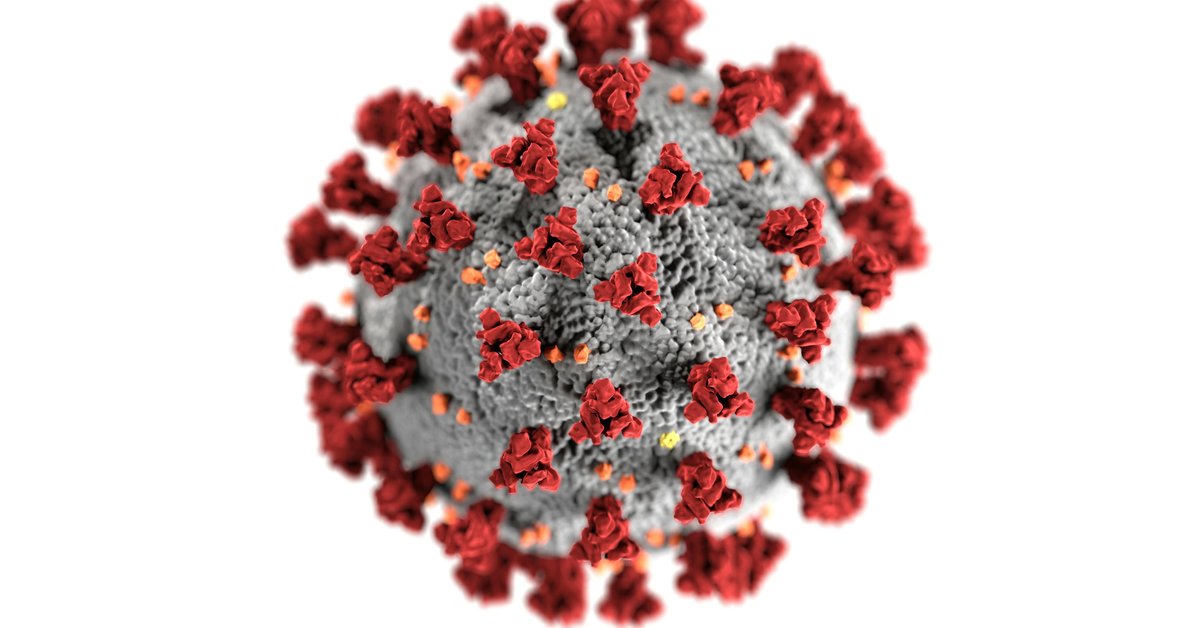
Indian authorities have declared that a Nipah virus outbreak has been contained after confirming two cases in the eastern state of West Bengal, a region bordering Bangladesh, Bhutan, and Nepal. The announcement comes as several Asian countries have implemented heightened health screenings at international airports in response to the deadly virus that has no approved treatment or vaccine.
According to India's Health Ministry, the two confirmed cases are healthcare workers, a 25-year-old woman and a 25-year-old man, both nurses who are currently hospitalized in intensive care units. The World Health Organization confirmed these details as the international health community closely monitors the situation. The ministry reported that 196 contacts have been traced and all have tested negative for the virus.
The Health Ministry emphasized that the situation remains under constant monitoring with all necessary public health measures in place. Officials are conducting extensive contact tracing and surveillance activities in the affected areas to prevent any potential spread of the virus beyond the current cases.
In response to the outbreak, several Asian nations have tightened their border health protocols. Thailand's health ministry has assigned special parking bays for aircraft arriving from Nipah-affected countries and requires passengers to complete health declaration forms before immigration. Malaysia's Ministry of Health announced the introduction of health screening at all international ports of entry. Indonesia and Nepal have also implemented enhanced screening measures at their airports.
Nipah virus is one of the world's most dangerous pathogens, with an estimated fatality rate between 40 and 75 percent of infected individuals. Survivors may experience lasting neurological difficulties, including persistent seizures and personality changes. The virus is transmitted from animals to humans, primarily through fruit bats which are the natural reservoir, and can also spread through contaminated food or direct contact with infected people.
The first known outbreak of Nipah virus occurred in 1998 when pig farmers and butchers in Malaysia and Singapore contracted it from infected pigs. At least 250 people were infected during that outbreak, with more than 100 deaths recorded. No new outbreaks have been reported from Malaysia or Singapore since 1999.
Despite the severity of the virus, experts note that the risk of a widespread pandemic remains low. The virus's basic reproduction number is typically below one, suggesting limited human-to-human transmission capability. However, the high fatality rate and lack of approved treatments make any outbreak a serious public health concern.
Several vaccine candidates are currently under development to combat Nipah virus. Oxford University scientists began Phase 2 testing of a vaccine in Bangladesh in December 2025, using the same technology platform as their successful COVID-19 vaccine. This represents a significant step forward in the global effort to develop preventive measures against this deadly pathogen.
Comments