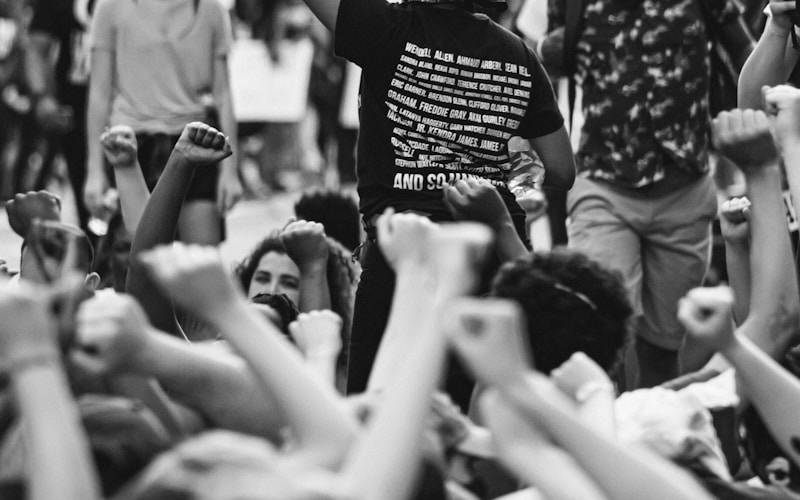
Protests across Iran have intensified dramatically, with the death toll rising to at least 16 people as demonstrations sparked by the country's severe economic crisis spread to 174 locations across 25 provinces. The unrest represents the largest wave of protests in Iran since the 2022 uprising following the death of Mahsa Amini.
The Human Rights Activists News Agency (HRANA) reported a cumulative count of 16 fatalities since the protests began, including one member of government security forces. The demonstrations, which started as shopkeeper strikes over economic concerns, have evolved into broader political protests challenging the government's handling of the crisis.
Iranian authorities attributed the unrest to 40% inflation and the collapse of the rial, which now trades at roughly 1.4 million to the dollar. The economic deterioration has been exacerbated by lingering effects of Western sanctions and regional instability, leaving many Iranians struggling to afford basic necessities.
Supreme Leader Ayatollah Ali Khamenei addressed the situation, drawing a distinction between protesters and what he called "rioters." He stated, "We talk to protesters, the officials must talk to them. But there is no benefit to talking to rioters. Rioters must be put in their place." This rhetoric has raised concerns among human rights organizations about potential escalation of government crackdowns.
In response to the crisis, the Iranian government appointed Abdolnasser Hemmati, a former economics minister, as the new governor of the Central Bank of Iran. The move is seen as an attempt to address the financial instability that has fueled public anger.
The protests have drawn significant international attention. US President Donald Trump warned on January 2 that Washington is "locked and loaded" to respond if Iranian security forces kill more protesters. On January 4, Trump reiterated the threat, telling reporters that Iran would get "hit very hard" if more protesters die. Iran's Foreign Ministry denounced Trump's statements as "reckless and dangerous."
HRANA reported that 18 universities have also seen student protest activities during the past seven days, indicating that the movement has spread beyond traditional economic grievances to encompass broader segments of Iranian society. The organization documented that "at least 174 locations in Iran have witnessed protests, street gatherings, or trade strikes over the past seven days."
The current protests echo the 2022 demonstrations that erupted following the death of 22-year-old Mahsa Amini in police custody, though the immediate catalyst this time is economic rather than social. International observers are closely monitoring the situation as tensions between protesters and security forces continue to escalate.
Comments