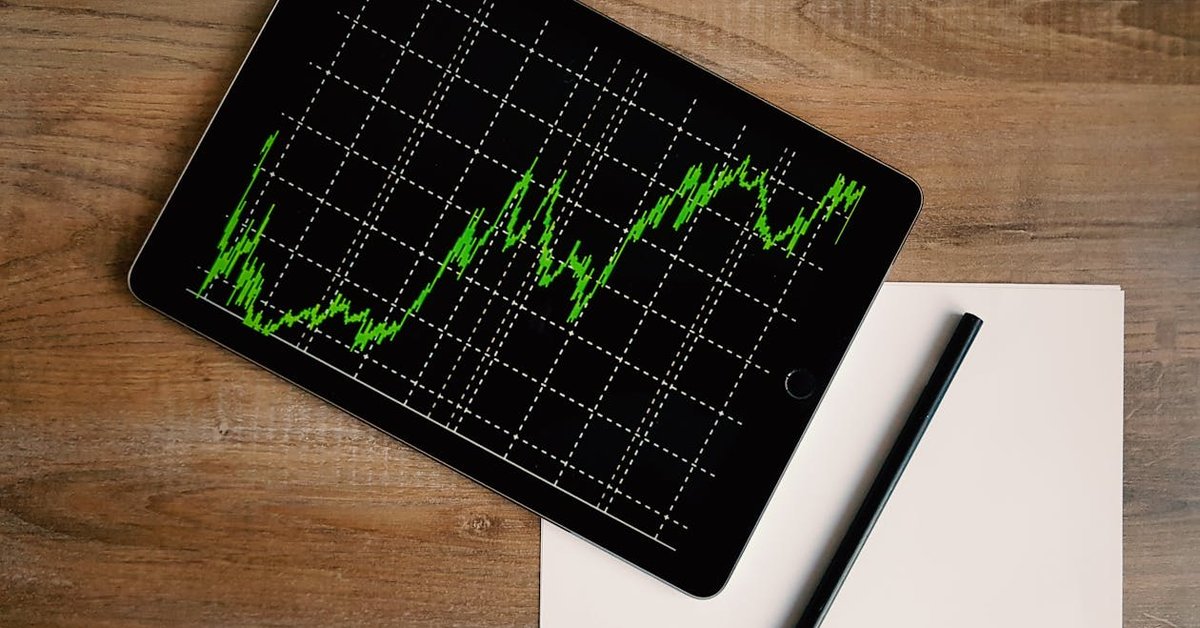
March 2026 was supposed to mark the beginning of a boom year for the American economy, but instead it has delivered a brutal reality check. The Dow Jones Industrial Average, the S&P 500, and the Nasdaq Composite all posted their fifth consecutive weekly decline, marking the worst sustained losing streak since the Middle East conflict erupted. On Monday, the Dow managed to climb 279 points, gaining 0.6 percent, while the S&P 500 edged up just 0.2 percent and the Nasdaq slipped 0.1 percent lower in a mixed session driven by cautious optimism over diplomatic talks with Iran.
The energy crisis at the heart of this downturn continues to intensify. Brent crude has surged above $115 per barrel, reaching its highest level since the Russia-Ukraine disruption in July 2022. The Strait of Hormuz, a critical chokepoint for global oil supplies, remains severely disrupted, with an estimated 20 million barrels per day of oil flow affected by the ongoing Middle East hostilities. This supply shock has rippled through every sector of the economy, pushing transportation costs, manufacturing inputs, and consumer prices sharply higher.
Inflation expectations have deteriorated rapidly in response. The University of Michigan survey of year-ahead US inflation expectations was revised upward to 3.8 percent in March, a significant jump from the earlier estimate of 3.4 percent. The five-year breakeven inflation rate has climbed 26 basis points since the conflict began, reaching its highest reading since February 2025. These figures underscore a growing conviction among consumers and investors alike that price pressures are not transitory but are becoming embedded in the economic outlook.
Federal Reserve Chair Jerome Powell addressed the situation directly, stating that current interest rates remain appropriate given the elevated energy price environment. Powell acknowledged that the Middle East conflict will continue to affect gasoline prices and broader inflation dynamics, but stopped short of signaling any imminent policy shift. His measured tone did little to calm markets already rattled by five weeks of persistent selling pressure and growing uncertainty about the path forward for monetary policy.
Corporate earnings have become a tale of winners and losers in this new environment. Alcoa shares rallied more than 9 percent after Iranian missile strikes damaged aluminum production infrastructure across the Middle East, tightening global supply and sending aluminum futures soaring. Meanwhile, global investment firms including Allianz and Amundi have begun actively hedging their portfolios against stagflation, a toxic combination of stagnant growth and rising prices that many economists now view as the most likely scenario for the remainder of 2026.
The domestic political landscape has added another layer of uncertainty. TSA workers have been working without pay since Valentine's Day due to a prolonged standoff over Department of Homeland Security funding. President Trump responded by issuing an executive order authorizing emergency back pay for the affected workers, but the underlying budget dispute remains unresolved. The spectacle of essential government employees going unpaid for weeks has further eroded consumer confidence at a time when households are already struggling with higher fuel and food costs.
Looking ahead, investors face a market environment defined by geopolitical risk, persistent inflation, and a Federal Reserve caught between competing pressures. The five consecutive weeks of losses have wiped out the early-year gains that had fueled optimism about a strong 2026. With oil above $115, inflation expectations climbing, and no clear resolution to the Middle East conflict in sight, the question is no longer whether March changed everything for the US economy but how long the pain will last.
Comments