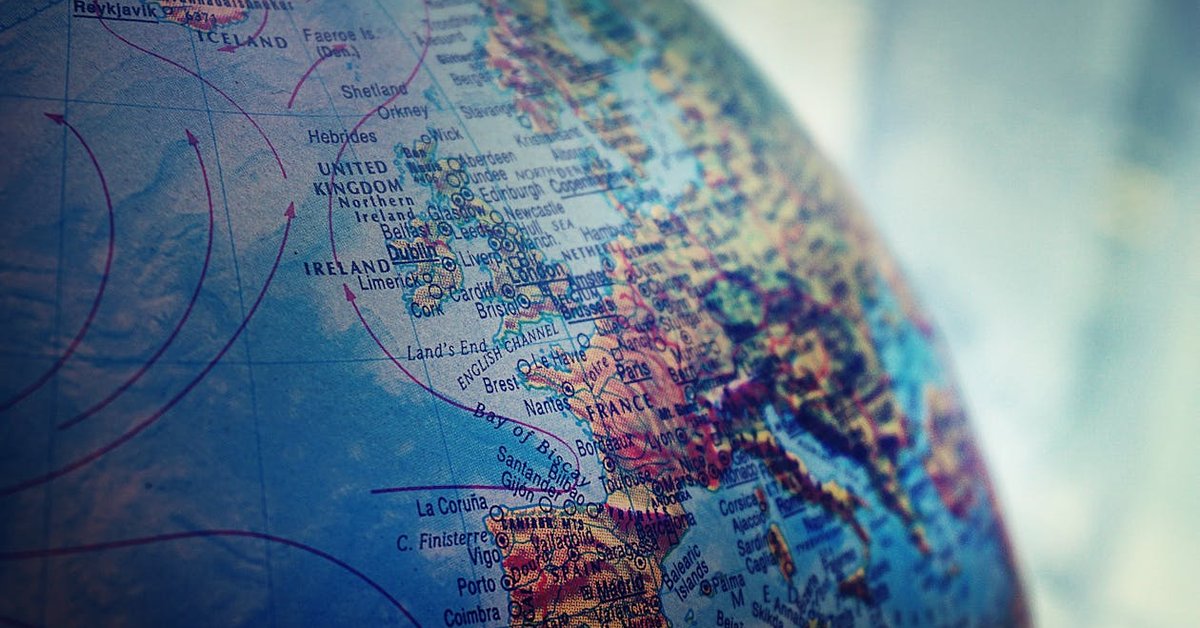
The USS Gerald R. Ford, the United States Navy's newest and most expensive aircraft carrier at roughly $13 billion, is heading toward a potential confrontation with Iran while battling a chronic sewage system failure that has plagued the ship for years. The carrier, which departed Norfolk, Virginia on June 24, 2025, has now been deployed for approximately 250 days and is currently transiting the Mediterranean Sea after crossing the Strait of Gibraltar on February 20. It is en route to join the USS Abraham Lincoln strike group near Iran, which would place two carrier strike groups within striking range of the country amid escalating US-Iran tensions.
NPR published reports on January 15 and January 17, 2026, based on internal emails obtained from the ship, revealing the staggering scope of the plumbing breakdown. The Ford carries approximately 4,600 sailors and is equipped with nearly 650 toilets organized across 10 independent zones. The ship uses a Vacuum Collection, Holding and Transfer system, known as VCHT, which was adapted from the cruise ship industry. However, the pipes are too narrow to handle the demands of a crew that size. A single valve failure can disable every toilet in an entire zone, forcing hundreds of sailors to search for functioning facilities elsewhere on the vessel. The Wall Street Journal confirmed NPR's reporting through additional interviews with sailors aboard the carrier.
An internal email dated March 18, 2025, documented 205 toilet breakdowns in less than four days. Hull Technicians aboard the Ford have been working 19-hour days to repair leaks and clear blockages. Queue times for functioning toilets have reached up to 45 minutes, according to crew accounts. Among the items recovered from clogged pipes are T-shirts, mop heads, a four-foot piece of rope, and paper towels. The ship has required 42 calls for outside maintenance assistance since 2023, with 32 of those occurring in 2025 alone, averaging roughly one maintenance call per day for the sewage system.
The financial cost of managing the crisis is substantial. An acid flush procedure used to clear calcium buildup from the pipes costs approximately $400,000 per treatment and has been performed at least 10 times since 2023. This procedure can only be carried out in US shipyards, meaning it cannot be performed while the carrier is deployed overseas. A 2020 Government Accountability Office report found that the VCHT system was undersized and improperly designed before the carrier was even completed, raising questions about why the ship was delivered with a known deficiency in a system essential to crew welfare.
The Ford's current deployment has already been exceptionally long. Originally stationed in the Caribbean for Operation Southern Spear, a Venezuelan oil interdiction mission, the carrier was redirected to the Middle East around February 12-13 amid rising tensions between the United States and Iran. If the deployment continues on its current trajectory, it could break the post-Vietnam record of 294 consecutive days at sea. Sailors aboard the ship have missed funerals, weddings, and the births of their children during the extended deployment, with crew members describing widespread exhaustion and low morale.
Navy spokesman Lt. Cmdr. David Carter has stated that the plumbing problems have gotten better and that there has been no operational impact on the ship's mission. However, accounts from sailors paint a different picture. A female crew member told the Wall Street Journal that many aboard feel deep anger and frustration over the living conditions. Multiple sailors have indicated they plan to leave the military when their service contracts expire, citing the prolonged deployment and degraded quality of life as primary factors in their decision.
The situation aboard the Ford highlights a tension between the Navy's operational demands and the basic welfare of its personnel. The carrier remains one of the most powerful warships ever built, equipped with advanced electromagnetic launch systems and the latest defensive technologies. Yet its crew faces daily indignities that stem from a design flaw identified years before the ship first sailed. As the Ford steams toward one of the most volatile regions in the world, the contrast between its $13 billion price tag and the inability to reliably provide functioning toilets for its crew has drawn scrutiny from Congress, military analysts, and the public alike.
Comments