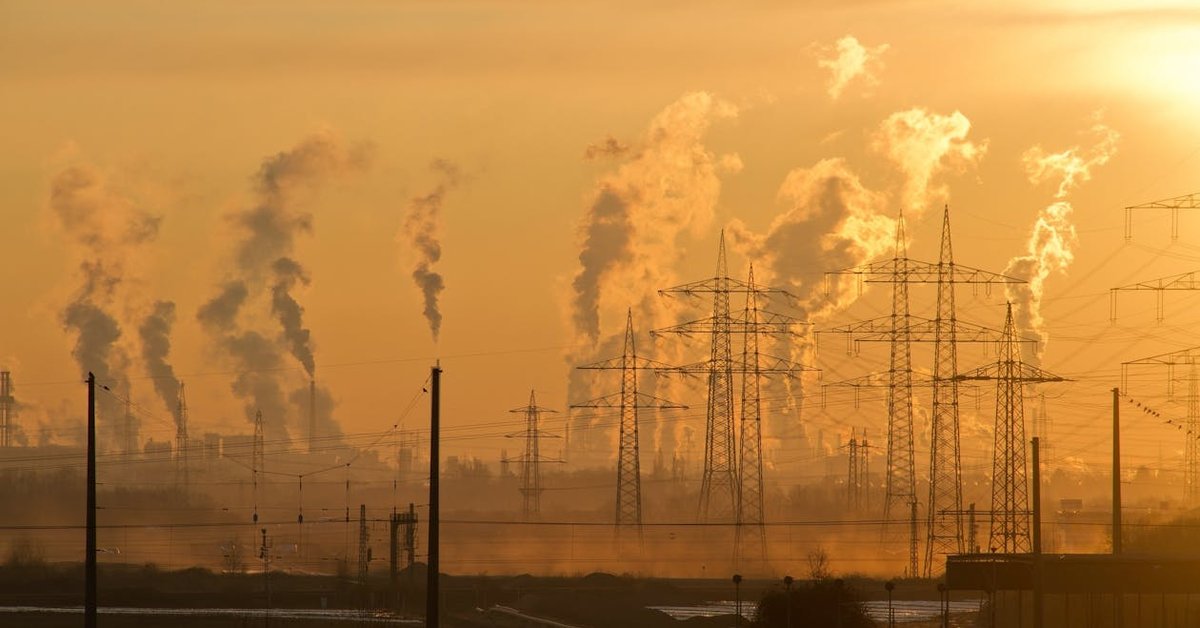
The Trump administration announced on Monday that it will formally rescind the 2009 endangerment finding, the foundational scientific determination that six greenhouse gases threaten public health and welfare. EPA Administrator Lee Zeldin described the move as the largest act of deregulation in the history of the United States. The formal rule rescinding the finding is expected to be issued at a White House ceremony on Thursday, eliminating the legal bedrock that has underpinned virtually all federal climate regulations for the past 17 years.
The original endangerment finding, issued under President Obama, identified carbon dioxide, methane, nitrous oxide, hydrofluorocarbons, perfluorocarbons, and sulfur hexafluoride as pollutants that endanger public health under the Clean Air Act. The determination was a direct response to the 2007 Supreme Court ruling in Massachusetts v. EPA, which held that greenhouse gases qualify as pollutants under the Clean Air Act and directed the agency to evaluate whether they posed a danger. Once the finding was established, it triggered mandatory EPA regulation of emissions from vehicles, power plants, and industrial sources.
The practical impact of the rescission will be sweeping but selective. The rollback will eliminate federal requirements for automakers and engine manufacturers to measure, report, certify, and comply with greenhouse gas emissions standards. EPA officials claim the deregulation will save consumers an average of 2,400 dollars per vehicle and cut total regulatory costs exceeding one trillion dollars. However, the administration has indicated it will largely spare power plants and other stationary oil and gas facilities from the changes, a carve-out that analysts attribute to the political sensitivity of directly affecting the energy sector workforce.
The decision flies in the face of the prevailing scientific consensus. The National Academies of Sciences, Engineering, and Medicine recently reassessed the science underpinning the 2009 finding and concluded that it was accurate, has stood the test of time, and is now reinforced by even stronger evidence. Critics have noted that the scientific review panel assembled to justify the rescission consisted of outspoken critics of mainstream climate science, and a federal judge found that Energy Secretary Chris Wright's selection process for the panel violated the Federal Advisory Committee Act by failing to conduct its work in public. Courts have uniformly rejected every previous legal challenge to the endangerment finding, including a 2012 ruling by the U.S. Court of Appeals for the D.C. Circuit and a 2023 reaffirmation.
Environmental organizations including Earthjustice have announced they will immediately challenge the rescission in court, arguing that the administration cannot reverse a science-based determination without producing credible evidence that the underlying science has changed. Legal experts anticipate the case will ultimately reach the Supreme Court. In the meantime, several states led by California are expected to pursue their own emissions standards under Clean Air Act waiver provisions. The announcement drew condemnation from climate scientists and former EPA officials, who warned that dismantling the regulatory framework will accelerate greenhouse gas emissions at a time when global temperatures have already exceeded the 1.5-degree Celsius threshold set by the Paris Agreement.
Comments