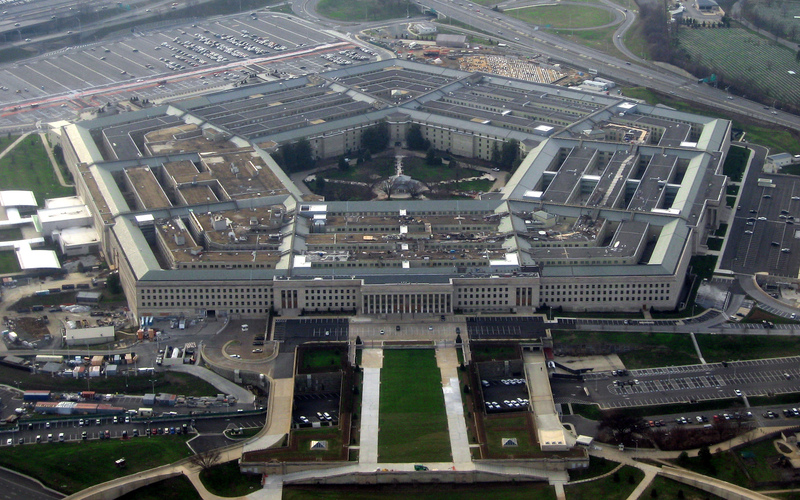
President Donald Trump has proposed a dramatic increase in military spending for 2027, calling for a $1.5 trillion defense budget that would represent a 66 percent jump from the current $901 billion allocation. The proposal, announced on Wednesday, marks the largest percentage increase in U.S. defense spending since the Korean War in 1951.
In a Truth Social post, Trump justified the massive spending increase by citing global instability. "After the long and difficult negotiations with Senators, Congressmen, Secretaries, and other Political Representatives, I have determined that, for the Good of our Country, especially in these very troubled and dangerous times, our Military Budget for the year 2027 should not be $1 Trillion Dollars, but rather $1.5 Trillion Dollars," Trump wrote.
The President argued that the increased funding would allow the United States to build what he called the "Dream Military" that would keep the nation safe regardless of adversaries. Trump also claimed that revenue from tariffs would help offset the cost of the budget increase, though budget experts have expressed skepticism about this assertion.
The Committee for a Responsible Federal Budget (CRFB) has warned that the proposal would add approximately $5.8 trillion to the national debt through 2035 when interest costs are included. The organization noted that the military spending increase would be about twice as large as expected tariff revenue, with the Congressional Budget Office estimating current tariffs would raise only $2.5 trillion through 2035.
Defense stocks surged following Trump's announcement, with major contractors seeing significant gains. However, fiscal conservatives and budget watchdogs have raised concerns about the long-term implications of such a dramatic increase in military spending, particularly given the current national debt levels.
The last time the U.S. Defense Department saw an increase higher than 50 percent was during the Korean War. Even the significant military buildups under President Ronald Reagan in 1981 and 1982 amounted to only 25 percent and 20 percent increases respectively.
Congress must approve the defense budget before it becomes law. While Republicans hold slim majorities in both the Senate and House of Representatives, the sheer scale of the proposed increase may face scrutiny even from members of Trump's own party who have historically advocated for fiscal responsibility.
Comments