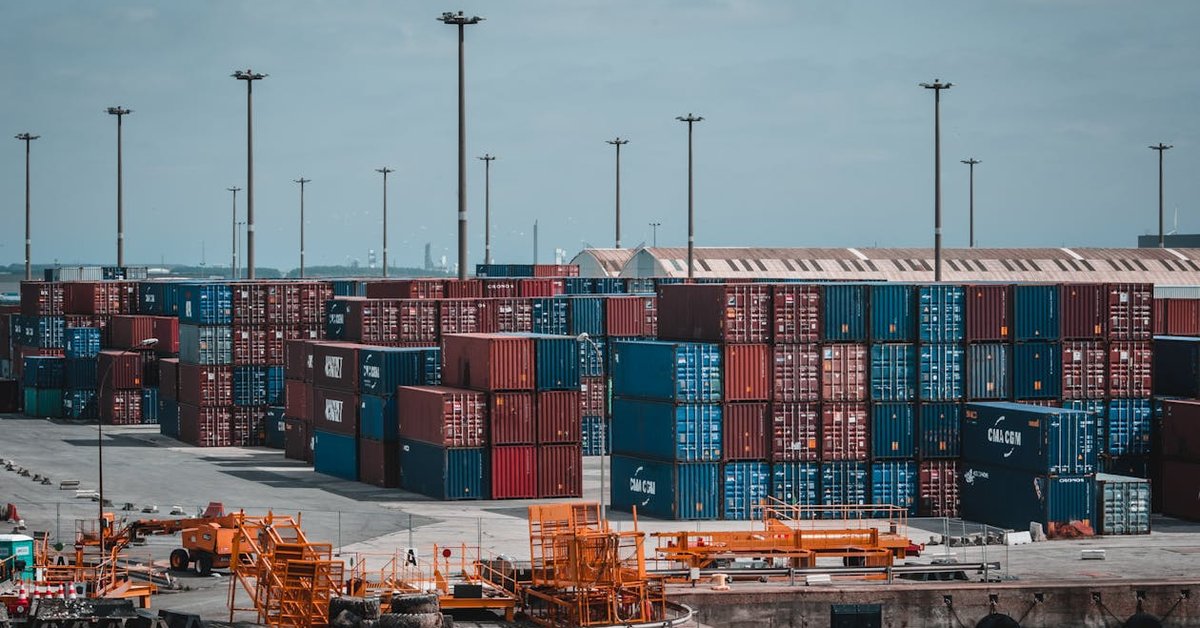
President Donald Trump announced on Monday that he is raising tariffs on South Korean imports from 15 percent to 25 percent, accusing the country's legislature of failing to ratify a bilateral trade agreement reached last year. The tariff increase covers automobiles, lumber, pharmaceuticals, and all other goods subject to reciprocal duties, Trump stated in a post on Truth Social. The move marks a sharp escalation in trade tensions between Washington and one of its closest allies in Asia.
The dispute centers on a trade deal finalized in October 2025 during Trump's Asia tour, under which South Korea pledged to invest 350 billion dollars in the United States over several years. The investment package targeted key American industries including semiconductors, shipbuilding, and biotechnology. In exchange, Washington agreed to lower country-specific tariffs on South Korean goods to 15 percent, down from the 25 percent rate imposed on what the administration called 'Liberation Day' in April 2025.
However, five bills required to implement the agreement remain stalled in South Korea's National Assembly. Lawmakers on the Strategy and Finance Committee said the legislation was undergoing a normal review process, but Trump expressed frustration at the pace. South Korea's ruling Democratic Party responded by pledging to pass a special act establishing a state-run investment corporation to manage the 350 billion dollar commitment by the end of February.
South Korea's presidential office said it had not received official notification from Washington about the tariff increase and announced a countermeasures meeting. Trade Minister Kim Jung-kwan, who was visiting Canada at the time of the announcement, said he would travel to the United States to hold urgent discussions with Commerce Secretary Howard Lutnick. Both the ruling Democratic Party and the opposition People Power Party have submitted competing proposals to expedite passage of the investment legislation.
Financial markets reacted sharply to the news. Hyundai Motor shares fell as much as 4.77 percent before paring losses to 0.81 percent by the close of trading. Kia shares dropped nearly 3.5 percent and Hyundai Mobis declined 5 percent. Despite pressure on automotive stocks, South Korea's benchmark KOSPI index defied expectations by surging 2.73 percent to close at a record high of 5,084.85, driven by continued strength in semiconductor and artificial intelligence-related shares.
Analysts noted that Trump has made similar tariff threats on multiple occasions without following through, including a proposed 10 percent duty on Canada over an anti-tariff advertisement and a threat of 100 percent tariffs on Canadian goods issued just days earlier. The administration has yet to issue formal trade notices to enact the latest increase. However, the uncertainty has raised concerns among South Korean exporters who depend heavily on the American market.
The broader economic context adds urgency to the dispute. South Korea's economy grew just 1 percent in 2025 after contracting 0.3 percent in the final quarter, marking its weakest performance since 2020. Meanwhile, the United States Supreme Court heard arguments in November challenging the legality of Trump's unilaterally imposed tariffs, with several justices expressing skepticism about the president's authority to levy such duties without congressional authorization.
Comments