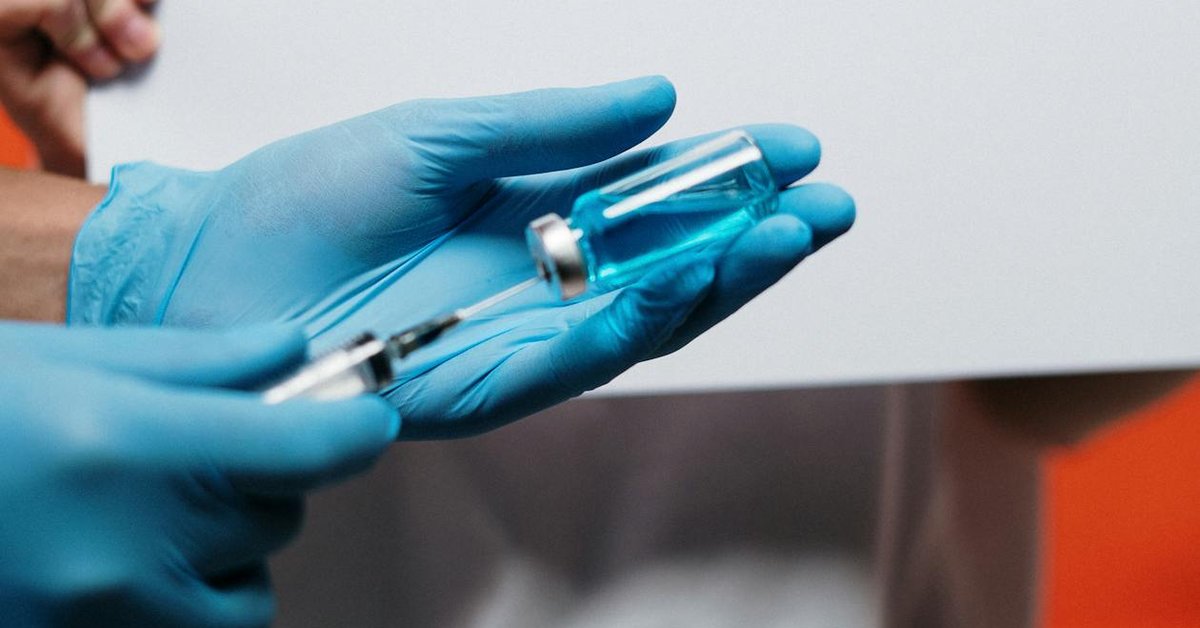
The United States has officially withdrawn from the World Health Organization, ending nearly eight decades of membership in the global health body. The withdrawal took effect on Wednesday, January 22, exactly one year after President Donald Trump signed an executive order initiating the departure on his second Inauguration Day.
Secretary of State Marco Rubio and Health and Human Services Secretary Robert F. Kennedy Jr. issued a joint statement declaring that the United States has freed itself from the constraints of the WHO. The administration cited what it described as profound failures in the organization's handling of the COVID-19 pandemic originating in Wuhan, China, along with persistent refusal to implement necessary reforms and a lack of accountability, transparency, and independence.
To fulfill President Trump's executive order, all U.S. government funding to the WHO has been terminated immediately. American personnel and contractors assigned to or embedded with the organization have been recalled from WHO headquarters in Geneva, Switzerland, and from WHO offices worldwide. The departure marks the second time Trump has attempted to withdraw from the WHO, after a previous effort in 2020 that was later reversed.
The financial implications for the WHO are substantial. Although the organization comprises 194 member states, the United States has carried a disproportionate share of its financial burden for decades. In recent years, U.S. assessed contributions averaged approximately 111 million dollars annually, while voluntary contributions averaged roughly 570 million dollars per year, making America the largest single donor to the organization.
Health experts have expressed serious concerns about the withdrawal's impact on global health security. A study published in The Lancet projected that if health-related aid cuts persist through 2030, they could result in an additional 14.1 million deaths worldwide, including 4.5 million children under the age of five. Critics argue the decision leaves the United States more vulnerable to future pandemics and diminishes American influence in global health policy.
The WHO has not yet issued a formal response to the withdrawal. International health organizations and foreign governments have expressed disappointment, warning that the departure undermines collective efforts to combat infectious diseases, respond to health emergencies, and coordinate pandemic preparedness. The withdrawal comes amid broader changes to U.S. health policy, including reductions in recommended vaccines and the dissolution of the Global Health Security and Biodefense directorate.
Comments