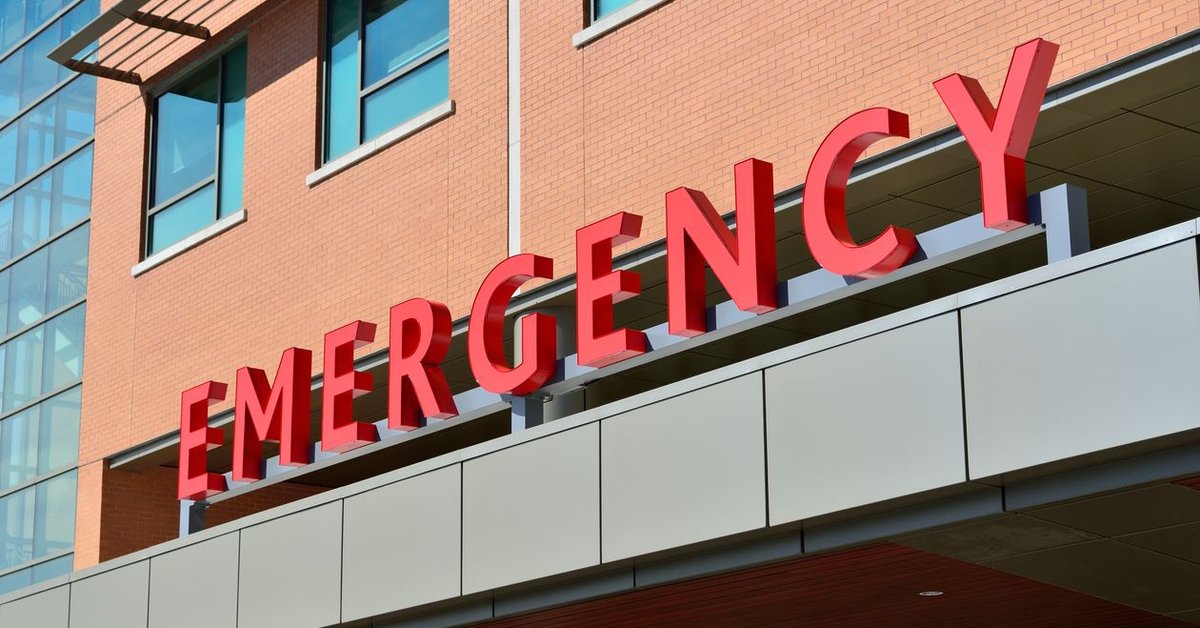
The deadly 2026 North American heat wave has claimed at least 23 lives across the United States as of July 5, with record-breaking temperatures overwhelming hospitals, emergency rooms, and public infrastructure from the Deep South to the Northeast. The Centers for Disease Control and Prevention reported extremely high rates of heat-related emergency room visits, with medical facilities in multiple states struggling to keep pace with surging demand for treatment of heatstroke, dehydration, and heat exhaustion.
Temperatures reached a staggering 106 degrees Fahrenheit (41 degrees Celsius) in Atlantic City, New Jersey on July 4, shattering records that had stood for over a decade. More than 160 million people across 30 states remained under extreme heat alerts as the dangerous heat dome expanded and intensified over the eastern half of the country. The National Weather Service described conditions as life-threatening, particularly for elderly residents, outdoor workers, and those without access to air conditioning.
The crisis extended beyond direct heat casualties as severe thunderstorms triggered by the extreme temperatures knocked out power for more than 1.3 million utility customers across a diagonal stretch of states from Oklahoma to Connecticut. Michigan led with over 305,000 customers in the dark, followed by New Jersey with 124,000 and Missouri with more than 100,000 affected households. The loss of air conditioning during dangerously high temperatures created what public health officials described as a compounding emergency.
The U.S. Department of Energy declared an emergency and issued an Energy Emergency Alert, directing officials at PJM Interconnections, the largest electrical grid operator in the Mid-Atlantic region, to take extraordinary measures to prevent cascading blackouts. Grid operators warned that electricity demand was approaching record levels as millions of Americans relied on air conditioning systems running at full capacity throughout the prolonged heat event.
New Jersey emerged as one of the hardest-hit states, with its heat-related death toll rising from 19 to 22 on Saturday alone. A 68-year-old man in Bethel Township, Pennsylvania died after trimming bushes on July 2 when temperatures exceeded 100 degrees. Emergency medical services reported being stretched to capacity in major metropolitan areas including New York City, Philadelphia, and Washington, D.C., where heat indices reached dangerous levels above 110 degrees Fahrenheit.
Public health experts emphasized that extreme heat remains the deadliest weather phenomenon in the United States, killing more Americans annually than hurricanes, tornadoes, and floods combined. The CDC urged residents to recognize warning signs of heat-related illness including confusion, rapid heartbeat, and cessation of sweating, noting that heatstroke can be fatal within minutes without immediate medical intervention. Cooling centers were opened across affected communities, though officials acknowledged that reaching isolated elderly residents remained a significant challenge.
Forecasters warned that dangerous heat conditions would persist through the weekend, with only marginal relief expected early next week. Health authorities advised all residents in affected areas to limit outdoor activities, stay hydrated, check on vulnerable neighbors, and seek air-conditioned environments during peak afternoon hours. The prolonged nature of the heat event, now spanning more than a week, has heightened concerns about cumulative health impacts on populations unable to adequately cool their bodies overnight.
Comments