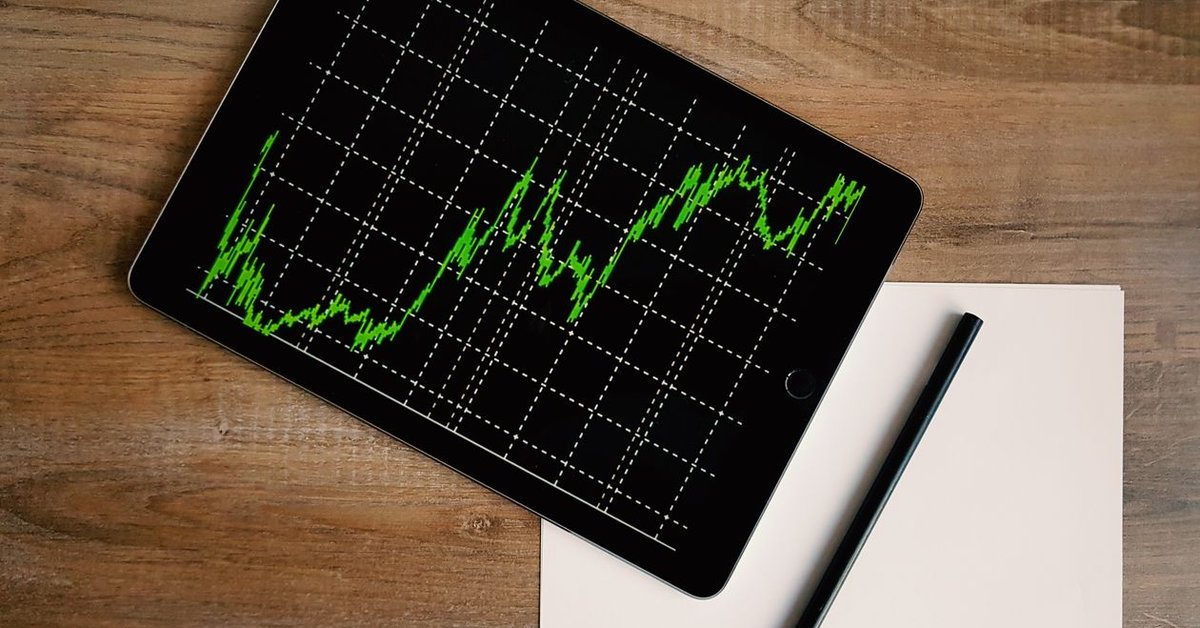
US stocks plunged on Friday, November 20, as a sell-off in companies tied to artificial intelligence spread across Wall Street. The S&P 500 fell 3.7% to 6,910.39 and the Nasdaq composite dropped 5.3% to 22,617.73, according to the Associated Press. The Dow Jones Industrial Average lost 1.9% to 48,147.33. Both the S&P 500 and the Dow ended more than 10% below recent record highs, a decline investors call a correction.
The drop extended a retreat from shares that had powered much of the US market's gains this year. Reuters reported that investors were questioning whether heavy spending on AI infrastructure would produce sufficient returns. The S&P 500 recorded its seventh consecutive decline, its longest losing streak since February 2020, Reuters said. The technology-heavy Nasdaq ended the week below its level at the start of 2026.
Chipmakers were among Friday's biggest losers. AP reported that Nvidia fell 14%, Advanced Micro Devices lost 13.3%, Micron Technology slid 13.9% and Broadcom dropped 12.2%. The PHLX Semiconductor Index fell 10.7%. Selling also reached companies linked to data-center construction, including optical-products maker Corning and power supplier Bloom Energy, AP said. These declines helped pull the broader indexes lower because large technology companies carry substantial weight in them.
Anthropic shares fell 8.5% to $88.91 in their second day of trading, AP reported, after the AI company's record-setting initial public offering on Thursday. The stock remained above its $83 offering price, but the reversal failed to calm concerns about AI valuations. The pressure was not confined to the United States: AP said Japan's Nikkei and South Korea's Kospi each fell more than 5% overnight, while European markets also declined.
The market slump contrasted with a rise in the University of Michigan's latest US consumer-sentiment reading, according to AP. US Treasury prices rose as investors sought bonds, and the 10-year yield fell to 4.93% from 5.04% late Thursday. Reuters said investors were also weighing inflation and the Federal Reserve's interest-rate outlook. Markets will watch next week's US inflation data for further clues about borrowing costs, while investors assess whether AI spending can support company earnings.
Comments