Amsterdam has made history by becoming the first capital city in the world to legally ban advertising for fossil fuels and meat products in public spaces. The landmark legislation, which takes effect on May 1, 2026, prohibits advertisements for air travel, cruises, petrol-powered vehicles, meat products, and fossil fuel energy services across the city's billboards, bus shelters, trams, metro stations, and public transport.
The city council voted 27-17 on January 22 to approve the measure, which was proposed by the green party GroenLinks and animal welfare party Partij voor de Dieren. Companies that violate the new law could face fines ranging from 20,000 to 100,000 euros, with repeat offenders paying double. The ban does not affect individual shopkeepers, who will still be allowed to advertise their products on posters outside their establishments.
Amsterdam first moved against fossil fuel advertising at the end of 2020, when the city council passed a motion to ban such advertisements when renewing contracts with advertising operators. However, by implementing the ban through a local ordinance, all fossil fuel and meat advertisements will now be forbidden across the entire city, regardless of whether the city has a contract with the advertising operator.
The decision follows a successful legal precedent set by The Hague, which defended its similar fossil fuel advertising ban in court in April 2025. Travel industry groups ANVR and TUI had sued to overturn The Hague's ordinance, but the court upheld the ban, ruling it complies with European Union law and serves a clear public interest in addressing the climate crisis.
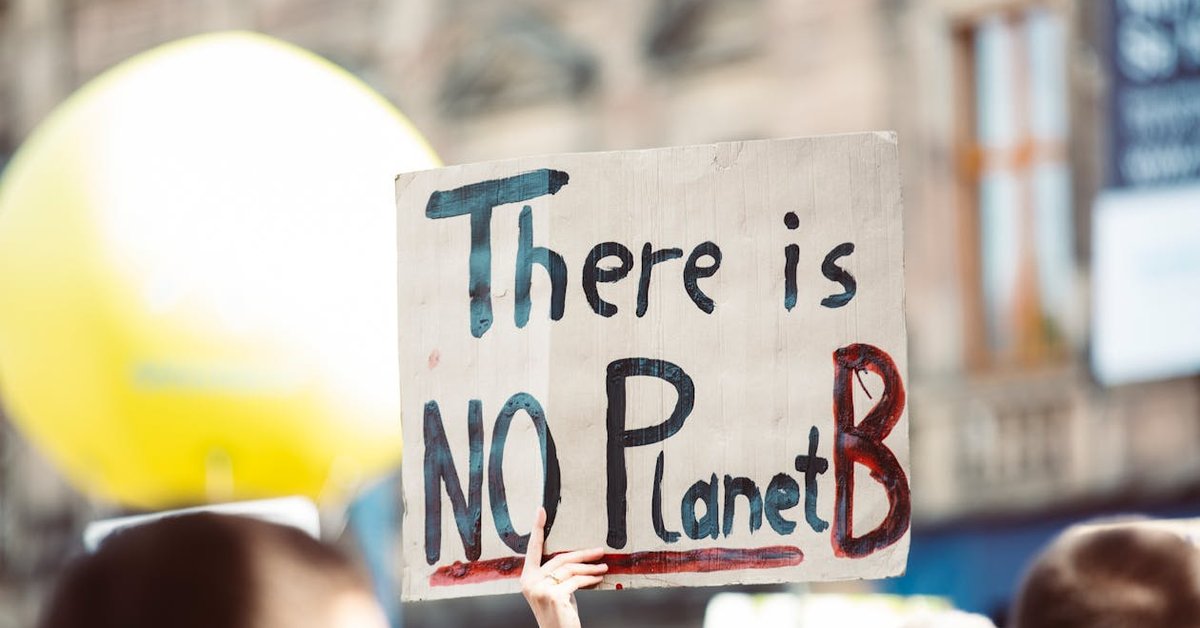
Environmental advocates hailed the decision as a major victory in the fight against climate change. Femke Sleegers of the Fossil Free Advertising initiative stated that advertisements portraying fossil fuels as normal worsen climate disruption and have no place in cities committed to environmental responsibility. Campaigners compared the approach to existing regulations on tobacco and alcohol advertising, arguing that effective climate policy requires restricting the visibility of high-carbon product promotion.
Amsterdam joins several other Dutch cities that have enacted similar bans, including Utrecht, The Hague, Zwolle, Delft, and Nijmegen. The movement is gaining momentum across Europe, with advocates pushing for similar legislation in other major capitals. Meanwhile, on February 7, governments gathered in Geneva to elect Chilean Ambassador Julio Cordano as the new chair of the UN plastic pollution treaty negotiations, signaling continued global attention to environmental policy reform.
Comments