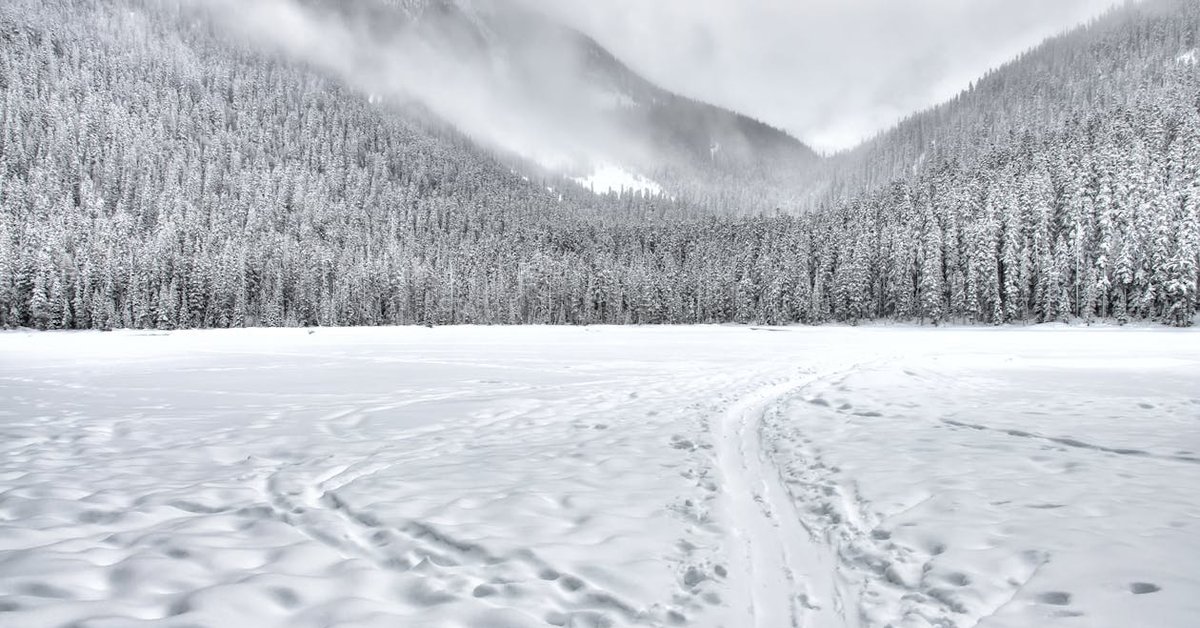
The western United States is experiencing its worst snow drought in recorded history, with snow coverage plummeting to roughly 155,000 square miles compared to a normal of 460,000 square miles for this time of year. Oregon, Colorado, and Utah have all reported their lowest statewide snowpack levels since monitoring began in the early 1980s, with Oregon's snowpack measuring 30 percent lower than its previous all-time record. The crisis, driven by unprecedented warmth rather than a simple lack of precipitation, threatens water supplies for 40 million people and 5.5 million acres of farmland that depend on Colorado River flows fed by spring snowmelt.
The scale of the warming behind this drought is staggering. Since December 1, more than 8,500 daily high temperature records have been broken or tied across the western states, and at least 67 weather stations recorded their warmest December-through-early-February period on record. Nine western states including California, Colorado, Washington, and Oregon experienced their warmest December since records began in 1895, with Colorado averaging nine degrees Fahrenheit above normal. Salt Lake City has gone 327 consecutive days without receiving one inch of snow, the longest such stretch since 1890.
The fundamental problem is that precipitation which would normally fall as snow is instead arriving as rain because of the elevated temperatures. Rain runs off immediately rather than accumulating as a snowpack reservoir that gradually releases water through spring and summer. Nearly all of the more than 80 river basins tracked by the Natural Resources Conservation Service across the western continental United States are trending well below average, a rare occurrence that underscores the breadth of the crisis. Mark Serreze, director of the National Snow and Ice Data Center, who has been in Colorado for almost 40 years, stated that he had not seen a winter like this before.
The consequences will cascade through multiple sectors in the months ahead. Agricultural communities that depend on spring meltwater for irrigation face potential crop failures. Hydroelectric power generation, which relies on dam water levels sustained by snowmelt, will be reduced. The already contentious negotiations between seven western states over how to divide diminishing Colorado River water are likely to intensify further. Most immediately, the exposed and dried-out terrain sets the stage for an especially dangerous wildfire season, as soils that would normally remain snow-covered into spring will instead bake under rising temperatures far earlier than usual. A wildfire in Quay County, New Mexico, has already burned over 1,000 acres with zero containment as of Monday.
Scientists attribute the record warmth to the intensifying effects of climate change caused by fossil fuel combustion. Research published in the journal Nature found that climate change is responsible for declining snowpack trends across the Northern Hemisphere. Philip Mote, a professor at Oregon State University, noted that the story keeps getting clearer and sadder. The National Oceanic and Atmospheric Administration's Climate Prediction Center forecasts continued dry conditions across much of the West for the next two weeks, with above-average temperatures persisting for approximately one month, offering little prospect of meaningful snow accumulation to offset the deficit before the crucial spring melt season begins.
Comments