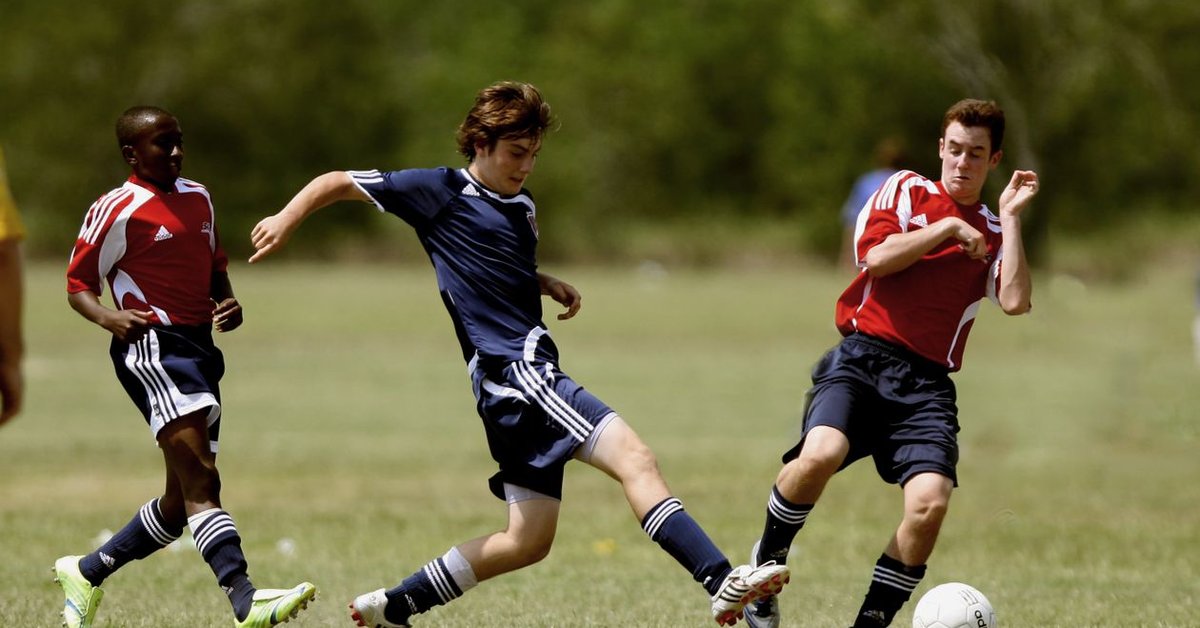
FIFA's mandatory three-minute hydration breaks at the 2026 World Cup are drawing fierce backlash from fans, players, and pundits alike, creating one of the tournament's most heated controversies just days into the competition. For the first time in World Cup history, FIFA has mandated hydration breaks midway through each half in all 104 matches, regardless of the temperature or weather conditions at any given venue. The policy has divided the football world between those who prioritize player safety and those who believe the breaks fundamentally alter the nature of the game.
Fans in host cities across North America have made their displeasure known in unmistakable fashion. Loud booing erupted during hydration breaks at matches in Dallas, Toronto, and Boston, with supporters in the stands chanting for play to resume. Social media has been flooded with criticism, with many fans arguing that the breaks kill the atmosphere and momentum that make World Cup matches so thrilling. Television ratings data suggests viewership drops during the interruptions, adding a commercial dimension to the controversy.
Critics argue that the breaks disrupt match rhythm and give coaches an opportunity to influence momentum, essentially functioning as tactical timeouts that have no place in football. Several high-profile managers have been seen delivering detailed instructions to their players during the breaks, using whiteboards and tactical diagrams in scenes more reminiscent of basketball than football. Former players and pundits have argued that this fundamentally changes the sport, allowing teams to reorganize defensively when under pressure rather than having to cope with sustained attacking waves.
Supporters of the policy point to legitimate health concerns that cannot be ignored. Athletes competing at the highest level can sweat between one and two liters per hour in hot conditions, and losing just two percent of body weight to dehydration significantly impairs cognitive function, reaction time, and physical performance. The 2026 World Cup is shaping up to be the hottest in tournament history, with venues across the United States, Mexico, and Canada experiencing summer temperatures regularly exceeding 90 degrees Fahrenheit, or the mid-30s in Celsius.
FIFA officials have defended the measure as essential for ensuring equal conditions for all 48 participating teams. The organization pointed to lessons learned from the 2025 FIFA Club World Cup, also held in the United States, where temperatures rose above 90 degrees Fahrenheit during several matches and multiple players required medical attention for heat-related issues. By making the breaks universal and mandatory, FIFA argues it prevents any team from gaining an advantage by refusing to take breaks or pressuring opponents to continue playing in dangerous conditions.
The debate has also raised questions about the future scheduling of major sporting events. Environmental advocates have pointed out that holding the World Cup during the peak of summer in North America was always going to create heat-related challenges, and some critics have suggested that future tournaments should be scheduled for cooler months, as was done with the 2022 World Cup in Qatar. However, moving the tournament away from the traditional June-July window would disrupt domestic league schedules worldwide.
As the tournament progresses and temperatures continue to rise across North American venues, the hydration break controversy shows no signs of abating. FIFA has indicated that the policy will remain in place for the duration of the tournament, though officials have acknowledged that post-tournament reviews may lead to modifications for future competitions. For now, fans, players, and coaches must adapt to a new rhythm that has become one of the defining features of the 2026 World Cup experience.
Comments