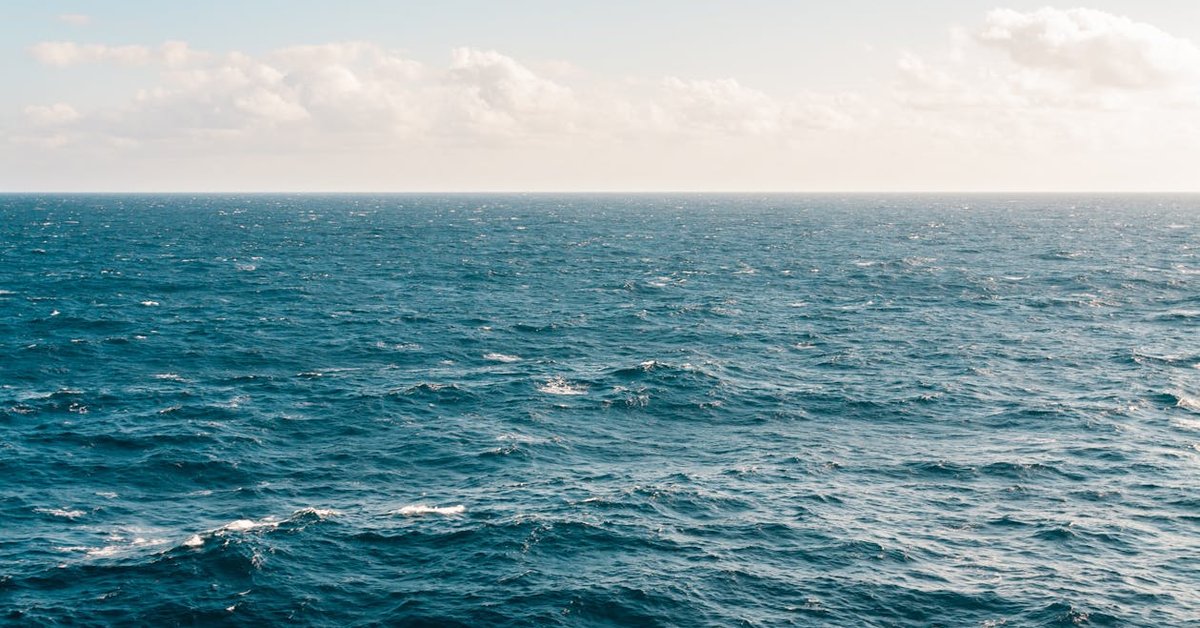
The High Seas Treaty, formally known as the Agreement on Biodiversity Beyond National Jurisdiction (BBNJ), officially entered into force on January 17, 2026, marking a watershed moment for international ocean governance and marine conservation after nearly two decades of negotiations.
## A Landmark Achievement
This groundbreaking agreement establishes the first legally binding framework to protect biodiversity in international waters, covering approximately half of the planet's surface and 95% of the ocean's volume. The treaty represents the largest conservation effort in human history, addressing the vast marine ecosystems that have long existed in a regulatory vacuum.
Areas beyond national jurisdiction account for roughly 60% of the ocean and more than 40% of Earth's surface. These waters include deep trenches, seamount chains, and midwater ecosystems that regulate nutrient cycles and store vast amounts of carbon. Until now, less than 1.5% of this immense space had any formal protection.
## Path to Ratification
Palau became the first nation to ratify the agreement in January 2024, setting in motion a global effort that has since garnered support from countries across every region. The treaty reached the critical threshold of 60 ratifications in September 2025, triggering its entry into force 120 days later.
To date, 81 parties have ratified the agreement, including the European Union and 16 of its member states, with 145 countries having signed. The EU has been a driving force behind the treaty, contributing substantial funding and diplomatic support throughout the negotiation process.
## Key Provisions
The treaty introduces several transformative mechanisms for ocean governance. It enables the establishment of large-scale Marine Protected Areas on the high seas, a critical tool for achieving the Kunming-Montreal Global Biodiversity Framework target of protecting 30% of the ocean by 2030.
Crucially, the agreement ensures that benefits from marine genetic resources are shared fairly among all nations, addressing longstanding concerns about equity between developed and developing countries. It also represents the first legally binding ocean instrument to include provisions for Indigenous Peoples and local communities in governance decisions.
Environmental impact assessments will now be required for activities that could significantly affect marine biodiversity, creating accountability mechanisms that previously did not exist in international waters.
## Looking Ahead
The BBNJ Preparatory Commission is working to establish the treaty's operational framework ahead of the first Conference of the Parties, which must convene before January 17, 2027. A final preparatory meeting is scheduled for March 23 to April 2, 2026, at UN Headquarters in New York.
Conservation organizations have welcomed the treaty's entry into force as a turning point for ocean health. The International Fund for Animal Welfare called it a historic leap for ocean protection, while the High Seas Alliance described it as the dawn of a new era in global ocean governance.
As climate change, overfishing, and pollution continue to threaten marine ecosystems, the High Seas Treaty provides hope that the international community can come together to protect the planet's last great wilderness.
Comments