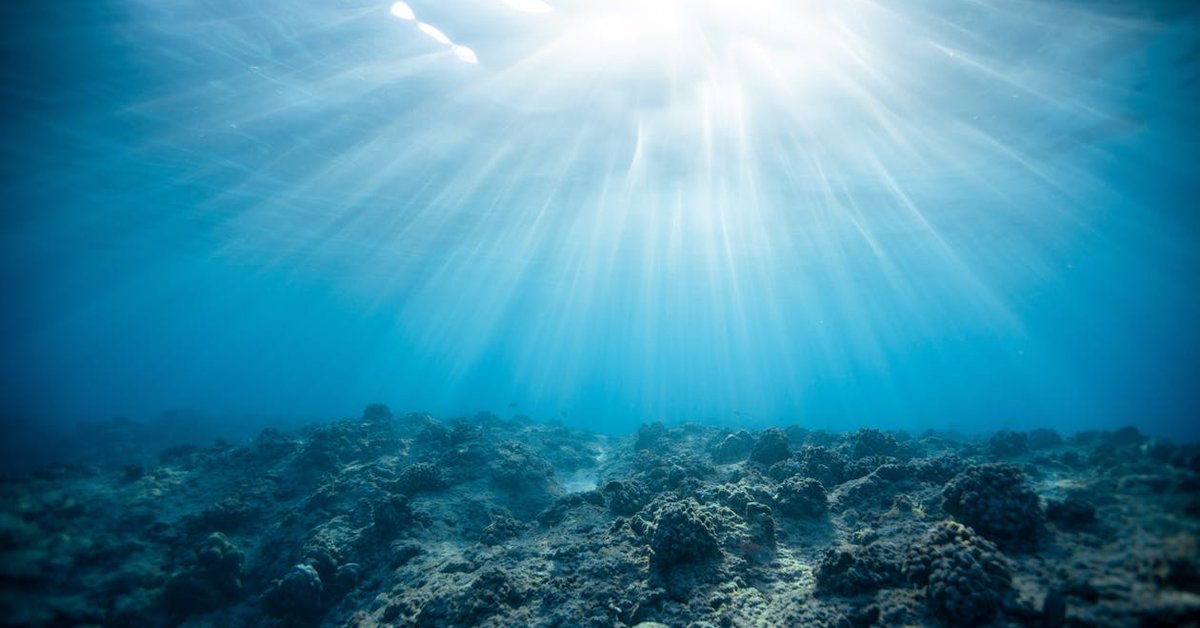
New research from the University of Sharjah reveals that microplastics are severely disrupting the ocean's ability to absorb carbon dioxide, potentially accelerating climate change. The study, published in the Journal of Hazardous Materials in January 2026, demonstrates that these tiny particles measuring less than five millimeters are interfering with natural climate regulation processes that have protected Earth for millennia.
The research led by Dr. Ihsanullah Obaidullah, Associate Professor of Integrated Water Processing Technologies, found that microplastics disrupt ocean carbon cycling through multiple mechanisms. The particles inhibit photosynthesis and impair metabolism in phytoplankton and zooplankton, organisms essential for carbon storage. This interference weakens the biological carbon pump, a natural ocean process that transfers atmospheric carbon to deep sea layers where it can be stored for centuries.
Scientists from China, Hong Kong, Pakistan, and the United Arab Emirates collaborated on the research, which also identified a phenomenon called the plastisphere effect. Microbial communities forming on plastic surfaces contribute to greenhouse gas emissions through their biological activity in nitrogen and carbon cycles. Additionally, microplastics release greenhouse gases directly as they degrade in marine environments, creating a double threat to climate stability.
The scale of plastic pollution is staggering. According to a 2025 United Nations report, over 400 million tonnes of plastic are produced annually, with approximately half designed for single use. Less than ten percent of all plastic ever produced has been recycled, while 8.3 billion tonnes have been manufactured historically, with 80 percent ending up in landfills or the natural environment. Much of this waste eventually reaches the oceans, breaking down into microplastics.
The implications for climate change are profound. Dr. Obaidullah emphasized that microplastic pollution and climate change represent interconnected threats that must be addressed together. By reducing oceanic carbon absorption capacity, these particles potentially accelerate ocean warming and acidification, threatening marine ecosystems, food security, and coastal communities worldwide. The research adds urgency to calls for international action on plastic pollution ahead of negotiations for a global plastics treaty.
Comments